Automation
What monitoring means after an automation goes live
Going live isn't the finish line. Effective monitoring ensures your automation continues to deliver value and reliability long after launch.
May 30, 2026 · 7 min read · Jeffery Gyamerah
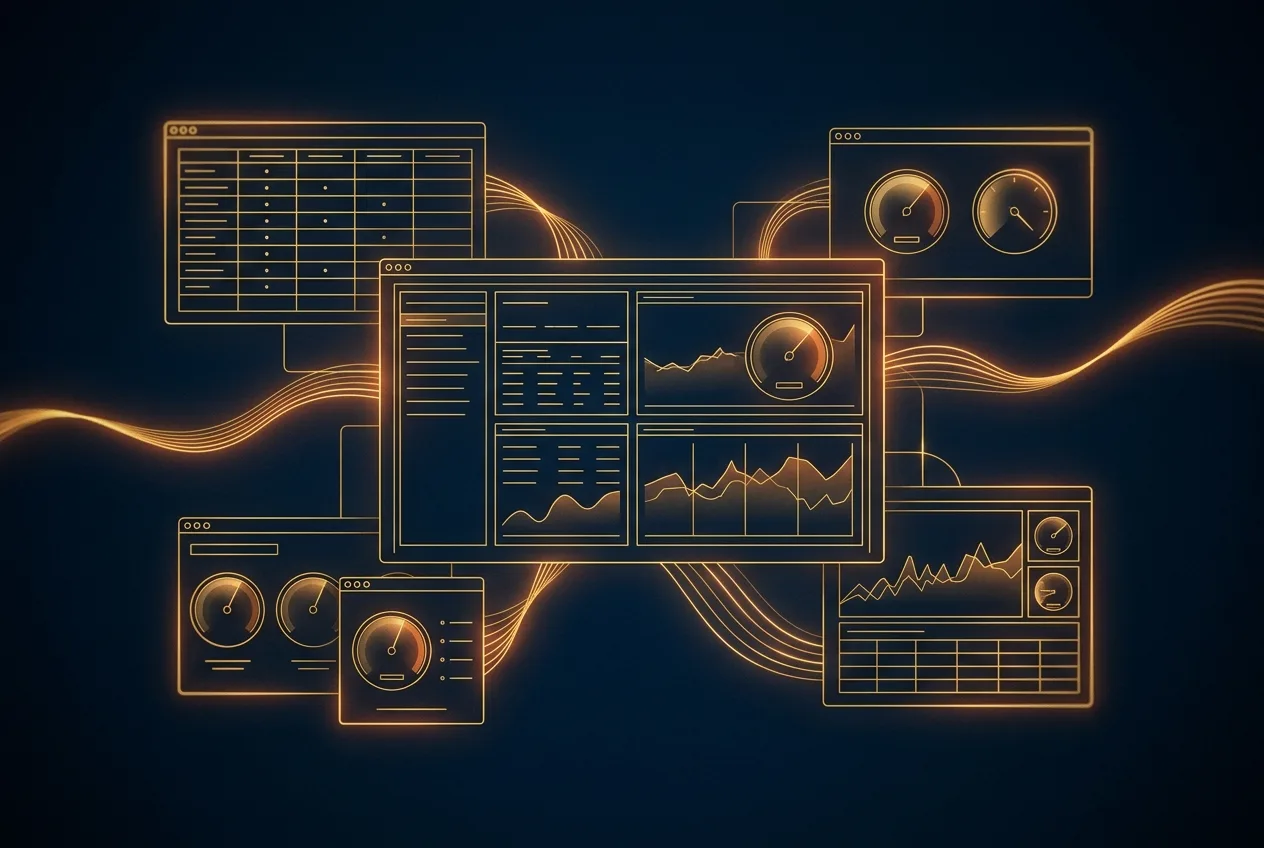
Launching a new automation is a significant step. But the moment a workflow goes live is not the finish line; it is the starting line for its operational life. The real value of an automation is not in its launch but in its consistent, reliable performance over months and years. This is where monitoring becomes one of the most critical, yet often overlooked, components of a successful automation strategy.
What is automation monitoring?
Automation monitoring is the process of systematically watching your automated workflows to ensure they are performing as expected. Think of it like the dashboard of a car: you do not just turn the key and assume everything will work perfectly for the next 100,000 miles. You glance at the fuel gauge, the temperature, and the check-engine light.
These indicators give you crucial information about the health of the system, allowing you to address small issues before they become major problems.
In a business context, monitoring tracks the key performance indicators of your workflows. This includes:
- Tracking success and failure rates.
- Measuring the time it takes for a process to complete.
- Logging any errors that occur.
For example, if an automated invoicing system suddenly starts failing to process invoices, a good monitoring system will alert you immediately. Without it, you might not discover the problem for weeks, leading to cash flow issues and frustrated clients.
Monitoring also involves watching for changes in the digital environment. Software applications are constantly updated, and an update to your CRM, accounting software, or even a third-party service can break an automation that depends on it. A robust monitoring plan anticipates this by not only watching for direct errors but also by verifying that connected systems are responding as expected.
Why passive observation isn't enough
Many business operators assume that if they do not receive an error message, everything is working fine. This is a dangerous assumption that leads to the problem of silent failure. A silent failure occurs when a workflow does not crash but instead produces incorrect results, processes the wrong data, or stops running altogether without any obvious notification.
An unmonitored automation is not an asset; it is a potential liability. Systems drift, external services change, and assumptions made during design become invalid over time. Active oversight is the only way to ensure a workflow remains aligned with business goals.
Imagine a marketing agency uses an automation to pull performance data from various ad platforms into a central dashboard for clients. If one platform changes its data format without warning, the automation might not fail outright. Instead, it could start pulling incomplete or zeroed-out data.
Without active monitoring that validates data integrity, an agency might present inaccurate reports to clients for weeks, damaging its reputation.
Key monitoring metrics for business owners
As a non-technical owner, you do not need to understand the code, but you do need to understand the outcomes. Focus on a few key metrics that directly reflect the health and business value of your automation:
- Success Rate: What percentage of tasks are completed successfully? A high and stable success rate indicates a healthy workflow. A sudden dip is a clear signal that something is wrong.
- Execution Volume and Duration: Is the automation running as often as it should? Is it taking longer than usual to complete? A sudden drop in volume might mean it is not being triggered correctly, while an increase in duration could signal a performance bottleneck.
- Error Volume and Type: How many errors are occurring, and are they the same type of error? A rising number of failures requires immediate investigation. Categorizing errors helps pinpoint the root cause.
Building a reliable monitoring plan
A robust monitoring plan is not an afterthought; it is designed and built alongside the automation itself. It goes beyond simple on/off alerts and provides a clear framework for maintaining operational stability. An effective plan includes both proactive and reactive components.
Proactive monitoring involves regular health checks to verify that all parts of the workflow and its connected systems are functioning correctly, even when there are no active tasks. Reactive monitoring involves the alerts and notifications that are triggered when a specific error or unexpected event occurs.
The plan must also define the human element. Who receives an alert when a critical process fails at 10 PM on a Friday? What is the protocol for investigating the issue? Who is responsible for communicating with affected teams or clients? Answering these questions beforehand transforms monitoring from a technical feature into a core business process.
Answering these questions beforehand transforms monitoring from a technical feature into a core business process.
Ask your automation partner or internal team: "What is our documented plan for when this workflow fails on a holiday weekend?" The clarity and completeness of their answer will tell you everything you need to know about their approach to operational reliability.
At AdwenTech, we build comprehensive monitoring and clear response protocols into every automation we deliver. We believe that a workflow is only valuable when it is reliable. By establishing clear metrics, alerts, and human-in-the-loop procedures from day one, we ensure your automations remain resilient and effective assets for your business long after they go live.
Work with AdwenTech
Reliable automation is built on a foundation of strategic monitoring. If you are ready to implement workflows that you can trust to perform day in and day out, we can help.
Contact us to discuss your operational goals or learn more about our Automation & AI Implementation services. We build solutions designed for long-term stability and value. Visit our contact page to schedule an initial consultation.